
Know the Score: Understanding Your Credit Score
Your credit score can make or break a finance application. Here's how credit scores work, what affects them, and how to keep yours in good shape before applying for business finance.
Your credit score is just one of the pieces of information that lenders (and other creditors like trade suppliers or landlords) look at when considering whether to do business with you. For most people, a credit score is a bit like their appendix — they’re pretty sure they’ve got one, but they’d struggle to tell you exactly what it is, and it’s never really a problem… right up to the point where it suddenly is.
Your credit score can have a significant impact on your ability to obtain any sort of debt, and as a consequence a flow-on impact on your ability to start or grow your business. In this article we’ll explain how credit scores are calculated, why they matter, and how you can keep better control of yours.
What is a credit score?
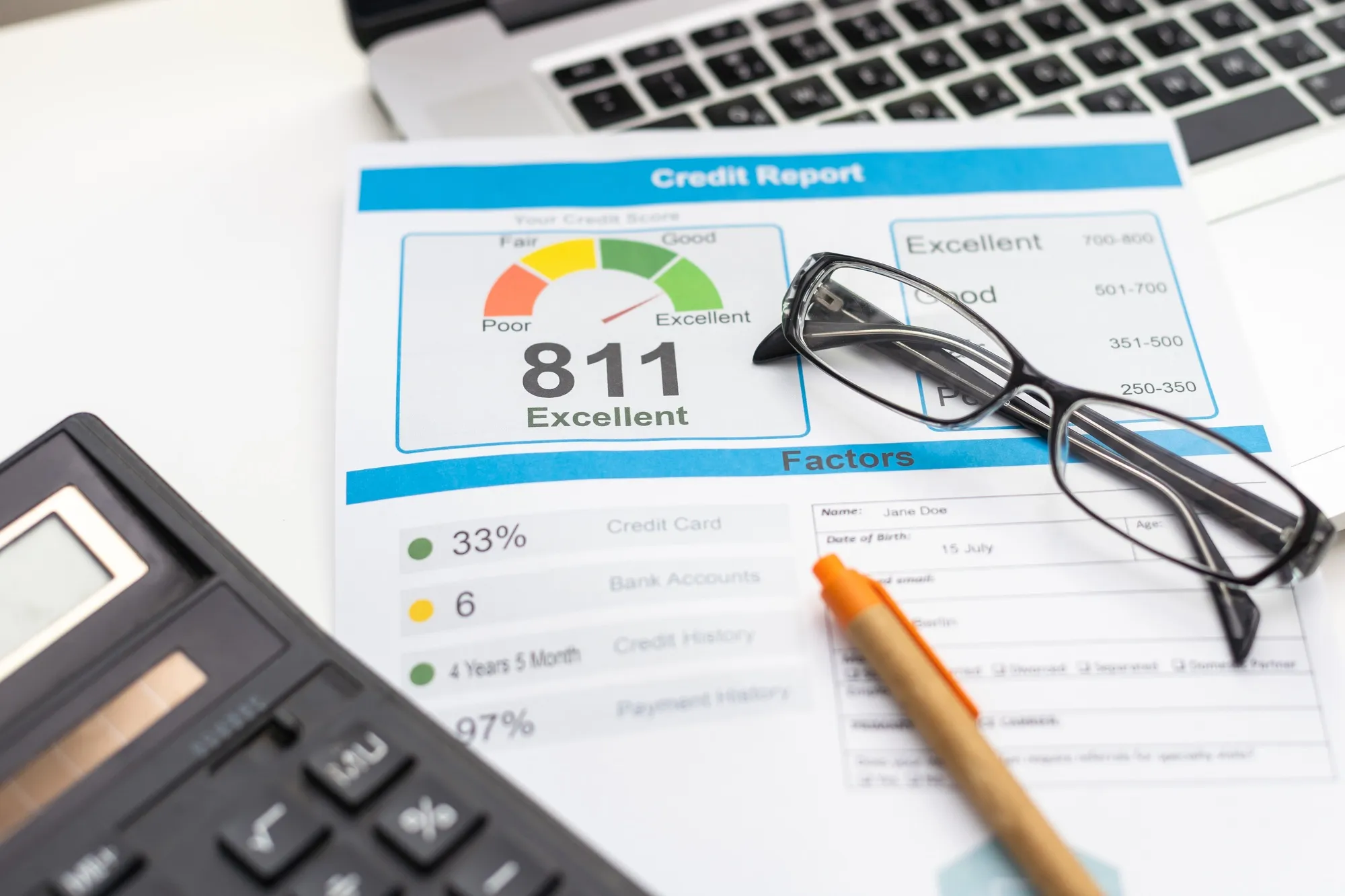
A credit score is simply a number on a scale, usually between 0 and somewhere around 1,000 (depending on which company is doing the scoring). The score is just one part of a Credit Report, which will also capture things like payment defaults, court actions, bankruptcies, and more. Almost every lender or business that feels they’re taking credit risk on you or your business will use that score, along with other information, to decide whether you represent a good risk.
Where do credit scores come from?
The overarching term is Credit Reporting Agencies, or Credit Bureaus. In practical terms, across Australia and New Zealand that usually means either Equifax (formerly VEDA), Illion (formerly Dun & Bradstreet), or Centrix. These companies collect information about businesses and individuals from a variety of sources, and then charge other authorised users a fee to access that information.
It’s worth noting that as an individual you generally have a right to access and correct information held about you (but they might not make it easy).
How did you get a credit score?
If you’ve ever obtained any sort of credit, you’ll almost certainly have a credit score with at least one of the Credit Reporting Agencies. This could have been anything from a pay-as-you-go phone to a car loan or mortgage. The very first time this happened, your file was created with one of the agencies.
Believe it or not, this is actually a good thing — because having no credit file can be seen as just as bad as (or sometimes even worse than) having a poor credit file, particularly if you’re out of your late teens. Once you have a credit file, any new enquiries are added to it over time, building up a picture of who you borrow from, how much, and how often.
How is the score calculated?
Scores differ between businesses and individuals, and none of the credit bureaus will tell you exactly how they calculate their particular score, but some things are fairly consistent:
General factors — things like your age, tenure with your current employer, and the amount of time you’ve spent at your current address can all be used as part of assessing your risk profile.
Type of credit — some types of credit may impact scores more than others. For example, a mortgage enquiry might impact your score differently to a personal loan, and a credit card might be different again.
Number of enquiries — often referred to as shopping patterns, the number of enquiries and the time period they occur over can impact your score. As a general rule, lots of credit enquiries over a short period of time can have a considerable negative impact on your credit score.
Defaults — this is a big one. If you’ve ever failed to pay a debt and just ignored the problem, then chances are pretty high it will eventually end up on your credit file. The size of the debt, how long ago it was, and what sort of business it was owed to can all impact your credit score. The biggest impact, however, will come from whether the debt was eventually paid or not. This category also includes things like court writs or default judgements.
Key takeaway: The biggest factors in your credit score are defaults and shopping patterns. Unpaid debts hit hardest, and multiple credit enquiries in a short window can drag your score down fast — even if you never took on the debt.
What about Comprehensive Credit Reporting?
Although it’s been around a while (since 2012 for NZ and 2014 for Australia), Comprehensive Credit Reporting (CCR) is still maturing. CCR allows for much more information to be collected and shared by credit bureaus, theoretically giving a more balanced view of an individual’s credit history.
With CCR, information such as whether you actually obtained credit (rather than just knowing you applied for it), as well as payment history and credit limits, can be shared. This gives greater insights — showing whether you’re keeping up with all your commitments and whether you’ve taken on what might be considered too much debt.
How to protect your credit score
Don’t default on your payment obligations. If you’ve run into financial trouble or a dispute, it’s far better to address it before the problem hits your file. Don’t avoid debt collectors or parties you owe money to — try to come to an arrangement instead. Many providers will accept a negotiated settlement and refrain from listing a default by agreement.
Pay off defaults if you have them. A default on your file will have a far greater impact if it remains unpaid. You may be able to negotiate a settlement — most businesses would rather get some of the debt paid than none of it.
Let time work for you. Time may not heal all wounds, but it can eventually heal most things on your credit file. If you’re thinking about starting a business next year but still have an unpaid default on your file, pay it now. The further back in history a black mark is, the less it will count against you.
Limit your shopping around. If you’re looking for finance, be careful how many places you apply with. If you’re working with a finance broker, ask how they minimise the number of enquiries on your file. A good broker will match your requirements with a lender that’s more likely to approve you, which can make a big difference.
Be careful with the types of credit you apply for. Multiple enquiries from credit card providers, short-term lenders, or payday lenders can all negatively impact your credit score.
Pay your bills on time. With CCR, it’s more important than ever. It might not make a big difference if you drag out a café bill, but for things like loans and utilities you can expect they’ll be reporting your average late payment days if they’re not already.
Tip: The single most impactful thing you can do is deal with any outstanding defaults before applying for finance. An unpaid default will hurt your score far more than a paid one — and the sooner you resolve it, the more time it has to fade from your record.
What does my score mean?
Whilst the scales differ between providers, a rough guide looks like this:
- Below 300 — likely to be a significant impediment to obtaining most credit
- 300 to 500 — poor or below average; may make some credit difficult or more expensive
- 500 to 700 — middle of the road
- Above 700 — generally considered a safe bet
Check your own score
If you’d like to check your credit score, you can visit the websites for Equifax, Illion, or Centrix. These providers will generally give individuals their own personal credit reports free of charge.
And if you do find a mistake impacting your credit file, get it cleared up as soon as possible. You never know when you’ll need your credit score — but you definitely want it to be at its best when you do.
Key takeaway: Don’t wait until you need finance to check your credit score. Reviewing it early gives you time to fix errors, resolve defaults, and present yourself in the best possible light when it matters most.
Need help with your next step?
Talk to a CFI Finance Specialist — no obligation, just practical advice.